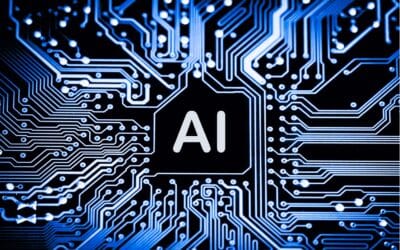


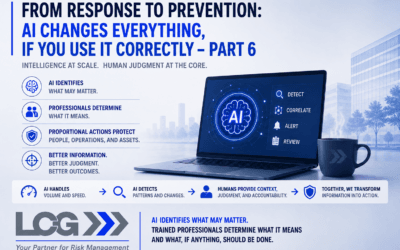
Artificial intelligence will not replace experienced analysts, investigators, or threat-management professionals. Its real value is its ability to process information at a scale and speed no human team can match.
During my public-sector service, today’s AI capabilities were not readily available. Had they been, they could have significantly strengthened our ability to connect information from incident reports, open-source intelligence, law-enforcement partners, facility systems, and other authorized sources. Properly configured AI agents could continuously monitor approved sources, identify changes involving persons or situations of concern, correlate new information with existing cases, and alert analysts to developments requiring review.
Emerging technologies were already demonstrating this potential. License-plate recognition systems could be integrated with cameras and watch lists to notify authorized personnel when an identified vehicle approached a protected location. AI greatly expands that concept by detecting relationships, changes, and recurring patterns across far larger volumes of information.